
What Are the Different Types of Iron Metal?

Iron is one of the most widely used and dependable metals in the world. Known for its strength, durability, and versatility, iron is often preferred over other metals in a variety of industries. From the frames of skyscrapers to the engines in cars, iron plays a vital role in construction, engineering, and manufacturing.
It’s also found in everyday items like cookware, tools, and furniture. But not all iron is the same. In this guide, we’ll explore the different types of iron metals and what makes each one unique in function and form.
What Is Iron Metal?
Iron is a natural metal found in the Earth’s crust and is one of the most abundant and widely used elements. It’s known for being strong, durable, and versatile. Iron is extracted from iron ore through a process called smelting, where it’s heated and separated from impurities. This metal forms the foundation of many everyday items, from tools and appliances to buildings and vehicles.
Different Types of Iron
Different forms of iron have distinct properties and uses, making each type valuable for specific applications. Understanding the different types helps in selecting the right material for a task. Let’s look at the 4 types of iron that get used most often:
1. Wrought Iron
Known for its toughness and malleability due to very low carbon content, wrought iron is resistant to corrosion and easy to weld or forge. These properties make wrought iron ideal for decorative items like wrought iron gates, fences, and outdoor furniture. Its durability and flexibility have made wrought iron a popular choice for ornamental metalwork.
2. Cast Iron
When you compare cast iron vs wrought iron, cast iron is notably harder, but also brittle. Cast iron excels at retaining and evenly distributing heat, which makes it a preferred material for cookware like skillets and pots. While its brittleness restricts its use in structural applications, cast iron performs well in products where strength and rigidity are essential.
3. Pig Iron
Produced as a result of smelting iron ore, this crude form of iron contains a very high carbon content, making it both hard and brittle. Pig iron is not typically used in its raw state but plays a vital role as the base material for creating steel and cast iron. Through further refining, pig iron becomes essential in the development of more usable and versatile iron products.
4. Steel
Another example of iron metal is steel. By combining iron with controlled amounts of carbon and other elements, this alloy achieves an ideal balance of strength, flexibility, and durability. Steel stands out as one of the most versatile iron types, suitable for a wide range of applications. It is extensively used in construction, automotive manufacturing, tools, and large-scale infrastructure due to its reliability and structural performance.
Common Uses of Iron Metal
Valued for its strength and reliability, iron has become a cornerstone of modern life and innovation. But what is iron used for today? Let’s explore some common items made of iron:
1. Household Items
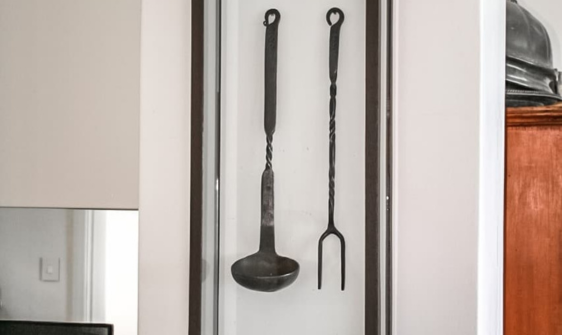
Iron is commonly found in many household items. Cast iron cookware like skillets, Dutch ovens, and griddles are kitchen staples. These items can last for generations and even develop a natural non-stick surface over time. Wrought iron furniture is another popular household use.
Its strength and decorative potential make it ideal for stylish chairs, tables, and bed frames that can withstand daily use. In home decor, iron accents like curtain rods, wall brackets, and candle holders add a rustic charm while remaining sturdy. Additionally, many hand tools such as hammers, screwdrivers, and wrenches are made from iron or steel.
2. Construction
Iron plays a vital role in the construction industry because of its strength and durability. It’s commonly used in the form of rebar (reinforcing bars) to strengthen concrete structures, providing the tension support that concrete alone lacks. Cast iron pipes are often found in older buildings, prized for their longevity and resistance to abrasion.
In large-scale construction projects, steel beams and girders form the structural framework of buildings, bridges, and towers. Additionally, wrought iron is used for architectural details like stair railings, balcony grilles, and decorative gates.
3. Transport & Machinery
In the automotive industry, iron and its alloys – especially cast iron and steel – are used to make engine blocks, brake discs, and axles, all of which must endure extreme heat and pressure. Railway tracks are traditionally made from steel, providing the durability needed for heavy and constant train traffic.
Ships and boats often rely on iron anchors and chains for their strength and corrosion resistance. In industrial settings, iron is also used in the construction of machinery frames, gears, and tools, forming the backbone of equipment used in factories, farming, and mining operations.
How to Choose the Best Iron Type for Your Needs
Selecting the appropriate iron type for your project depends on several key factors. Have a look at some of the most important things to consider to choose the right type of iron:
1. Durability
For projects that require long-lasting strength, durability is a crucial consideration. Steel is known for its exceptional strength, making it a top choice for construction and tools that must withstand heavy loads. Cast iron, while more rigid, excels in applications where heat retention is important. Understanding the durability of the different iron types helps ensure that the metal chosen will meet the demands of its intended use.
2. Flexibility
When it comes to shaping and welding, the ability of the material to bend without breaking is crucial. Wrought iron stands out for its high malleability, which makes it perfect for creating intricate designs and detailed craftsmanship. In contrast, pig iron and cast iron are much more brittle, making them difficult to work with when flexibility is required. Knowing what level of flexibility is needed will help you decide on the right iron for your project.
3. Cost
Another important factor to consider is the cost of the material. Pig iron tends to be more affordable but usually requires additional refining before it can be used effectively. On the other hand, wrought iron and steel often come with a higher price tag due to the more complex processing involved. However, their superior performance and versatility usually make the extra cost worthwhile. Considering the balance between cost and functionality is essential when selecting the best type of iron.
What Is the Best Type of Iron for Furniture?
Wrought iron is generally considered the best type of iron for furniture due to its unique combination of strength, durability, and flexibility. Its low carbon content makes it easy to shape and forge into intricate designs, allowing for both functional and decorative pieces. Additionally, wrought iron is naturally resistant to corrosion, especially when properly treated, which makes it ideal for both indoor and outdoor furniture.
These qualities ensure that wrought iron furniture pieces are not only beautiful but also long-lasting and able to withstand daily use and exposure to the elements. For these reasons, wrought iron remains a popular and trusted choice in furniture making.
Contact Ironstone for Wrought Iron Furniture & Products
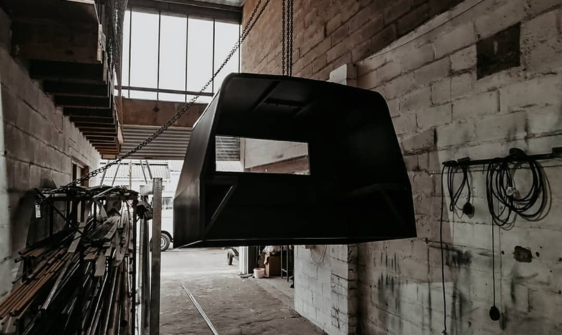
Understanding the different types of iron metals is key to making informed decisions for any iron-related project. Each type offers unique properties suited to specific uses, from durable construction materials to decorative furniture and cookware. Ironstone specialises in manufacturing custom wrought iron furniture and products. We believe in combining expert craftsmanship with high-quality materials to create beautiful, durable pieces tailored to your needs. Contact our team today to learn more about our range of products.