
How to Choose the Best Window Frame Material

Choosing the best material for window frames is one of the most important decisions homeowners need to make when upgrading or building a property. Window frames go beyond appearance – they influence energy efficiency, durability, maintenance, and even the overall value of a home.
The right choice can improve insulation, reduce long-term costs, and enhance curb appeal, while the wrong one may lead to frequent repairs or poor performance. This blog will guide you through the most popular window frame options, comparing their strengths and drawbacks, so you can make an informed decision for your home.
What Is the Difference Between Custom and Standard Window Frames?
Standard window frames are pre-sized and widely available, making them a convenient and cost-effective option. While they may not fit unusual or uniquely shaped openings, they can still offer durability and energy efficiency when paired with quality materials.
Custom-made window frames, on the other hand, are designed to fit the exact dimensions of your space. This tailored approach ensures a precise fit, reduces air leaks, and allows for more flexibility in design. Unlike standard frames, custom frames can accommodate any window shape or size, providing a solution when standard options aren’t suitable. Ultimately, the choice between standard and custom frames depends on the scope and specifics of the homeowner’s project.

Window Frame Material Comparison
Understanding the types of window frame materials available is key when deciding which window frame material is best for your home. Below are some of the most commonly used materials and their comparisons:
1. Wood
For homeowners seeking warmth and timeless beauty, wood window frames remain a classic choice. They provide excellent natural insulation and can be painted or stained to match any design style. While elegant and versatile, custom wood frame windows demand regular care to avoid warping, rot, or insect damage. However, with consistent maintenance, wood can last for many years.
2. Aluminium
Modern homes often benefit from the sleek look of aluminium, one of the most widely used metals for window frames. Lightweight yet durable, it resists rust and requires very little upkeep. Though aluminium naturally conducts heat and cold, modern thermal break technology helps improve energy efficiency. The affordability and versatility of custom aluminium window frames make them a practical choice for homeowners who want stylish frames that won’t require much maintenance over time.
3. Steel
Known for its unmatched strength, a steel window frame material option is ideal for supporting larger glass panes without sacrificing stability. The slim profiles allow more natural light into the home, creating a modern, airy aesthetic. Although steel window frame designs are more costly and need protective coatings to prevent corrosion, this type of window frame material offers longevity that can span generations. Its industrial appeal makes it a premium choice for homeowners who value both security and durability.
4. Wrought Iron
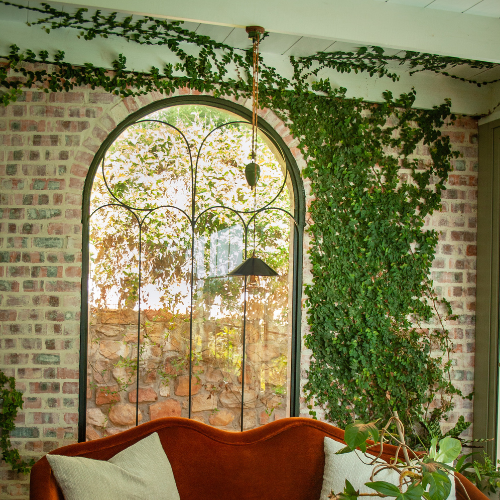
If you’ve ever asked yourself, “What is the best window frame material?” Wrought iron window frames truly stand out. Often featured in historic or heritage-style homes, they combine durability with intricate detailing. While strong and elegant, wrought iron frames require protective treatments to guard against rust. With proper care, they can last for decades while adding character and sophistication. This type of window frame material is best suited for homeowners who want to pair structural strength with ornamental appeal.
5. Cast Iron
Bold and heavy in design, a cast iron window frame delivers unmatched durability along with an industrial look. Cast iron is less flexible than other metals, but its strength makes it a standout for both traditional and modern architectural styles. Though typically more expensive and requiring rust protection, it can last for generations. Homeowners often choose cast iron when longevity and distinctive design outweigh budget considerations.
6. Vinyl
Budget-conscious homeowners often turn to vinyl for its low maintenance and energy efficiency. Unlike metal and wood, vinyl is resistant to rot, moisture, and pests, and it never needs repainting. Available in a variety of finishes, it provides reliable insulation that helps reduce heating and cooling costs. While not as strong as steel or iron, vinyl frames strike a balance between affordability, durability, and style flexibility.
The Most Popular Window Frame Designs
Window frames do more than hold glass – they help define the style and character of a home. Exploring popular window frame designs can inspire choices that enhance aesthetics and functionality.
1. Traditional Window Frames
Classic styling works beautifully in older homes or properties aiming for a timeless look. Traditional frames often feature rich details, thicker profiles, and warm finishes that bring character to the property. Incorporating this type of metal window frame design enhances authenticity, especially in heritage buildings. This design suits homeowners who want a balance of durability and decorative detail that connects with established architectural styles.
2. Modern Window Frames
Contemporary architecture often calls for sleek finishes and clean lines. Materials like aluminium and glass dominate, offering durability with a sophisticated edge. Many homeowners prefer steel window frame designs in modern spaces because they allow for slim profiles that maximise natural light while maintaining strength. The combination of durability and elegance makes modern frames an excellent choice for those who prioritise functionality and cutting-edge style.
3. Grid-Patterned Window Frames
Decorative grids break large panes into smaller sections, giving windows a more structured and stylish appearance. These designs work well in both traditional and transitional homes. Wrought iron window frame designs can achieve the grid effect with slim, strong supports that don’t compromise visibility. This style is perfect for homeowners who want architectural interest while still enjoying durability, making it a versatile option for blending practicality with a touch of classic charm.
4. Minimalist Window Frames
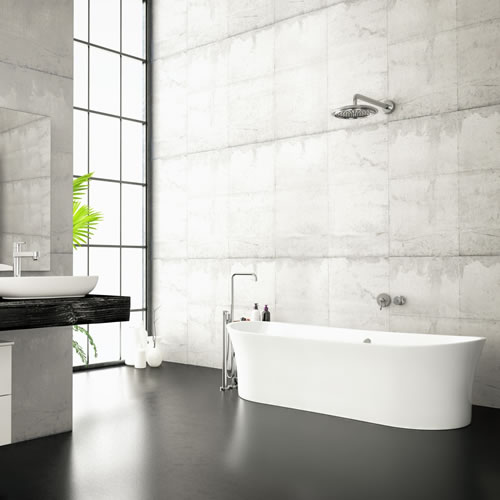
Less is more with minimalist window frames, which prioritise simplicity, light, and openness. Thin lines and neutral finishes ensure the windows blend seamlessly into modern interiors. By keeping details subtle, the design highlights outdoor views rather than the frame itself. Materials like wrought iron, aluminium or vinyl are common for minimalist designs, offering strength without bulk. These designs are ideal for homeowners who want uncluttered elegance and windows that complement rather than dominate their architectural style.
Tips for Choosing the Best Window Frames
Choosing the right window frame material can feel overwhelming, but our practical tips can make the process much easier. Let’s take a look at these tips and considerations:
1. Climate and Weather
Local weather conditions play a major role in determining the most suitable window frame material for your home. If you are asking “what is the best material for window frames”, the answer often depends on your climate. In humid or rainy regions, options like wrought iron or aluminium resist moisture damage better than wood, while extreme cold may call for insulated frames such as fiberglass or wood. The best window frame material for hot climates is one with low heat conductivity to keep interiors cool and comfortable.
2. Architectural Style
The material chosen should complement the home’s overall look. Traditional houses pair beautifully with wood or wrought iron for warmth and detail, while modern architecture often favours sleek aluminium or steel for clean lines. Minimalist spaces work best with slim vinyl or metal profiles. Aligning frame material with architectural style ensures that the windows feel like an intentional part of the property’s design.
3. Budget
Cost is often a deciding factor when selecting the right window frame. Vinyl is the most budget-friendly and requires minimal upkeep, while aluminium offers a mid-range balance of cost and durability. Steel, wrought iron, and hardwood frames sit at the higher end due to their strength and longevity. Homeowners should weigh the initial investment against long-term performance and maintenance to choose a material that provides the best overall value.
4. Maintenance Requirements
Every material has unique care demands that affect convenience and longevity. Wood requires sealing or repainting to prevent rot, while wrought iron and steel need protective coatings to avoid corrosion. Considering how much time and effort one is willing to invest in upkeep is essential, as regular maintenance directly impacts the durability and performance of window frames.
Contact Ironstone for Custom Window Frames
By considering key factors such as climate, maintenance, budget, and architectural style, homeowners can select window frames that enhance comfort and reduce long-term costs. High-quality materials not only withstand environmental stresses but also elevate the overall look and value of a property. At Ironstone, we design and manufacture custom wrought iron window frames, as well as many other wrought iron products. Contact our team today to find out more about our services and how we can help you.